Several naturally occurring alkaloids, i.e., morphine, (S)-reticuline or berberine, embedded in the 2-phenethylamine unit form more complex cyclic frameworks derived from its natural biosynthetic pathways (Figure 1). The 2-phenethylamine motif is widely present in nature, from simple, open-chain structures to more complex polycyclic molecular arrangements. Open-chain, flexible alicyclic amine derivatives of this motif are enumerated in key therapeutic targets, listing medicinal chemistry hits and appealing screening compounds. And Vozzo, D.C., ‘Recent paramethoxyamphetamine deaths’, Journal of Analytical Toxicology, 1998, 22, ; Lamberth, P.G., Ding, G.K., Nurmi, L.A., ‘Fatal paramethoxy-amphetamine (PMA) poisoning in the Australian Capital Territory’, Medical Journal of Australia, 2008, 188, 426 And Christensen, D., ‘Postmortem identification and quantitation of 2,5-dimethoxy-4-n-propylthiophenethylamine using GC-MSD and GC-NPD’, Journal of Analytical Toxicology, 2003, 27,
Potential Substance Interactions With Phenylethylamine (PEA)
Previous studies reported that β-PEA derivatives such as N-2-methoxybenzyl-phenethylamines (NBOMes) also produced head-twitching response. Amphetamine and amphetamine-like drugs induce DA efflux through a DAT channel. Taken together, our findings suggest that β-PEA has psychoactive properties given its rewarding and reinforcing effects via the activation of dopaminergic neurotransmission, and it has psychotomimetic potentials such as circling or head-twitching behavior. As mentioned above, the activation of these dopaminergic pathways plays a crucial role in addictive drug-mediated motivation and reward behavior through DA-receptor-mediated neurotransmission 26,27.

While it won’t get you high, taking too much can cause side effects similar to those caused by the drug amphetamine, especially if taken with medications that alter neurotransmitter levels. They also inhibit norepinephrine transporters (NET) and serotonin transporters (SERT) and interact with adrenergic alpha-1 receptors, similar to amphetamines.6,7 2C series drugs are phenethylamine compounds with methoxy groups at positions 2 and 5 of the phenyl ring, as well as a hydrophobic substituent at position 4 of the ring.
Figure 10
One drug from this class has been widely used in Europe and the US for several years – Ecstasy, also known as MDMA. With regular use, Phenethylamine can produce powerful hallucinations which can be beneficial in certain situations, but their real potential uses are still unknown. In the meantime, Phenethylamine is a very safe substance with few side effects and very little health risk when used properly. Although there is some evidence of the medicinal benefits of Phenethylamine, it should be noted that the medical community has not approved these substances for treating any medical condition. People who use Phenethylamine are also at risk for car crashes, possible heart attacks, hypothermia, memory loss, and drug or alcohol addiction.
How Does Phenylethylamine Work In The Brain?
It gained popularity as a recreational drug and MDMA (ecstasy) alternative in the mid-1980s. 2C-B was first encountered as a novel designer drug in the United States in 1979. 2C-B was legitimately marketed and sold as an over-the-counter sexual enhancer under brand names like Erox in several European countries such as Germany in the 1980s and early 1990s. Alexander Shulgin synthesized 2C-B and 2C-D in 1974 and discovered their psychedelic effects in self-experiments conducted in 1974 and 1975. It was synthesized and studied in animals by Beng T. Ho and colleagues at the Texas Research Institute of Mental Sciences and they published their findings in 1970. Similarly to DOI, tolerance has been found to gradually develop to the head-twitch response induced by 2C-T-7 with chronic administration in rodents.
The study ended by analyzing the phenethylamines ROS induction in order to identify a possible mechanism underlying the genotoxic activity demonstrated. In the present work, our automated cytofluorimetric protocol was able to demonstrate a statistically significant increase in MNi frequency for all four psychedelics phenethylamines, in particular for 2C-H and 2C-I at the highest concentration tested (35 µM), and for 2C-B and 25B-NBOMe at both tested concentrations (6.25 and 12.5 µM). The natural next step was therefore to use the same protocol to analyze the genotoxicity of molecules belonging to another group of NPS, such as psychoactive phenethylamines. Our results allow us to highlight, for the first time, the genotoxic capacity of the four psychedelic phenethylamines under study, 2C-H, 2C-I, 2C-B, and 25B-NBOMe, at the selected sub-cytotoxic and sub-cytostatic concentrations. In particular, these sought-after effects are due to the interaction with the dopaminergic, noradrenergic, and serotonergic systems.

Cyclized Phenethylamines
Some of the more important phenethylamines are tabulated below. It has been suggested that phenethylamine from food may have psychoactive effects in sufficient quantities. In the human brain, 2-phenethylamine is believed to function as a neuromodulator or neurotransmitter (trace amine). Both PEA and amphetamine are monoamine releasers, but PEA’s effects are very short-lived due to rapid metabolism.
All drug solutions were prepared immediately prior to the beginning of each experiment. Animals were provided ad libitum access to food and water, except during a food training period of self-administration procedures. Male C57BL/6 mice (18–25 g) used for open-field, CPP tests, DA enzyme-linked immunosorbent assay (ELISA), Western blotting, and male Sprague-Dawley rats (230–270 g) used for self-administration and USV tests were purchased from Orient Bio. In summary, we demonstrated that β-PEA has rewarding and reinforcing effects and induces stereotypical behaviors and a positive affective state by increasing the DA concentration and expression of DA-related proteins (TH and p-DAT) in the striatum of rodents. Thus, as mentioned above, further studies are needed to investigate the hallucinogen effect of β-PEA and its underlying mechanism.
The same agents were also examined in (+)amphetamine-trained animals but stimulus generalization occurred only to (+)pseudonorephedrine (49) and (-)ephedrine (53).62 Evidently, although (-)ephedrine and (+)amphetamine shared certain stimulus properties, their stimuli are not identical. We, and others (notably Dr. David Nichols and colleagues) examined MDMA and its isomers, and various MDMA analogs, in drug discrimination studies using animals trained to a variety of substances (see Nichols and Oberlender53 and Glennon54 for early reviews, and Glennon and Young18 for a broader overview). We soon realized that i) if substitution occurred, we would still need to examine the agents in DOM- and amphetamine-trained animals for further classification, and ii) the MDA-stimulus training period limited the time we could investigate new agents (i.e., training required 50%–60% of a rat’s typical lifespan).
- The actions of R(-)α-ET are more of a conundrum; being a weaker releaser at DAT than its S(+)-enantiomer, it is difficult to explain why stimulus generalization occurred; nevertheless, it might be noted that it was approximately 20 times less potent than (+)amphetamine (Table 8).
- Bergman J, Yasar S, Winger G. Psychomotor stimulant effects of beta-phenylethylamine in monkeys treated with MAO-B inhibitors.
- Data were analysed using repeated ANOVA followed by the Bonferroni post-test.
- But, 3,4-DMA substituted in MDA-trained animals.49 The optical isomers of 3,4-DMA substituted both in MDMA- and PMMA-trained animals with relatively little difference in potency (Table 3).
The History Of Phenylethylamine
When considering PEA supplementation, it’s crucial to be aware of appropriate dosages and potential interactions with other substances. These supplements typically come in the form of capsules or powders and are often marketed for their potential mood-enhancing and cognitive-boosting effects. Some research suggests that PEA may help suppress appetite and increase metabolic rate, although more studies are needed to fully understand these effects. Interestingly, PEA has also been studied for its potential effects on appetite and weight management. These cognitive benefits may be partly attributed to PEA’s stimulatory effects on the central nervous system and its ability to increase dopamine and norepinephrine levels. Once in the brain, PEA interacts with various neurotransmitter systems, particularly those involving monoamines like dopamine, norepinephrine, and serotonin.
- This review represents a concise, central summary of relevant 2-phenethylamine-based leads and research hits, which spans receptors and their corresponding therapeutic indications.
- Studies such as those described here, as well as those of other investigators, attempt to unlock the mechanism(s) of action of these agents so that effective treatments might be identified for their abuse, and to provide data that can be used in forecasting and controlling agents that have yet to appear on the clandestine market.
- The appropriate dosage of phenethylamine for nootropic use can vary based on individual needs, tolerance, and goals.
- It’s worth mentioning that the effects of PEA are typically short-lived, as it is quickly metabolized by enzymes like monoamine oxidase (MAO).
- However, in animal drug discrimination studies, DOI and DOC produced effects that are similar to the effects elicited by schedule I hallucinogens such as DOM, LSD, and DMT.
The degree of effect on dopamine neurotransmission and duration of action appear to help guide understanding of habituation. The prototype psychedelic phenethylamine is 3,4-methylendioxymethamphetamine (MDMA). Psychostimulants such as amphetamine act as ‘releasers’ of norepinephrine and dopamine, which stimulate the sympathetic nervous system. He is credited with re-synthesizing MDMA as well as inventing designer phenethylamines such as 2CB.
What You Need To Know To Find A Safe Psychedelic Retreat- A Comprehensive Guide
Phenylisopropylamines (i.e., α-methyl analogs of phenylethylamines) are a class of phenylalkylamines that includes amphetamine (8) and methamphetamine (52; Figure 11). Rothman and Baumann61 found that increasing the SERT-releasing action of DAT releasing agents attenuates stimulant-related activity (e.g. self-administration, locomotor activity). Action of MDMA (43), MDA (42), and PMMA (45) as releasing agents at the serotonin (SERT), dopamine (DAT) and norepinephrine (NET) transporters.18,59,60 But, 3,4-DMA substituted in MDA-trained animals.49 The optical isomers of 3,4-DMA substituted both in MDMA- and PMMA-trained animals with relatively little difference in potency (Table 3). We found that both a (+)amphetamine stimulus and an MDA stimulus generalized to MDMA.48 Clearly, MDMA, though neither a simple hallucinogen nor a simple central stimulant, seemed to possess some amphetamine-like qualities.
Excess phenethylamine in the urine of patients with specific types of schizophrenia has been reported, indicating it is being removed the body at an increased rate 18, 19. The role of phenethylamine in schizophrenia is still unclear. However, there is insufficient evidence to claim that phenethylamine improves mood . Increasing these neurotransmitters in certain brain areas may, in theory, promote a positive mood and lead to a greater sense of well-being.
Based on our results, it is predicted that acute β-PEA administration induces p-DAT, reverses the function of DAT, and finally increases DA neurotransmission in the striatum. In the present study, acute β-PEA administration increased striatal DA concentration and TH, a rate-limiting enzyme in DA synthesis, and p-DAT expression in mice, which are well known as modulators of DA concentration in the reward system. DAT can also control the dynamics of dopaminergic neurotransmission by driving reuptake of extracellular DA into presynaptic neurons and by phosphorylation at Thr53 residue to reverse its function 35,36. These effects are likely mediated by DAD1R in the dorsal striatum of rodents.
15 Peroxisome Proliferator-Activated (PPAR) Receptors
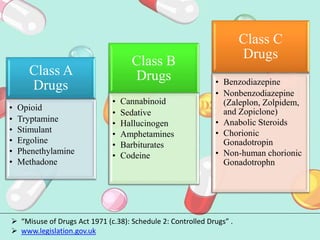
These products mimic the euphoric effects of other well-known illicit drugs but are advertised as “legal” highs and are sold over the internet, at raves and night clubs, and in head shops. MDMA is being advanced in clinical trials although there are hundreds of other designer psychedelic phenethylamines that could have therapeutic potential. Contraindication with MAOIs is common to psychedelic phenethylamines due to so many having significant effects in increasing neurotransmitters. The actions on the monoamine systems (serotonin, norepinephrine, dopamine) differ between substances, ultimately causing variations in subjective experience, safety, and addictive potential. Activity at other post-synaptic receptors (e.g. 5HT1A, 5HT2C) may also influence effects. Many other novel psychedelic phenethylamines and their ranges in effects have been described in Alexander and Ann Shulgin’s work PIHKAL.
From its mood-enhancing properties to its potential cognitive benefits, PEA stands out as a fascinating subject in the realm of neuroscience and mental health. There’s also growing interest in understanding how PEA interacts with other neurotransmitter systems and how it might be combined with other compounds to enhance its therapeutic potential. Scientists are exploring novel delivery methods to enhance PEA’s bioavailability and prolong its effects in the body. While more research is needed, some preliminary studies have shown promising results in improving attention and reducing impulsivity in individuals with ADHD. In the realm of mental health, researchers have explored PEA’s potential as an adjunct treatment for depression, particularly in cases where traditional antidepressants have proven ineffective. The potential therapeutic applications of PEA are diverse and promising.